Daniel B. Garrie

Where law meets technology

Daniel B. Garrie

He explains what AI-generated evidence, deepfakes and cyberwarfare actually mean for the people who have to make decisions about them — boards, security leaders, and courts.

See him work a room

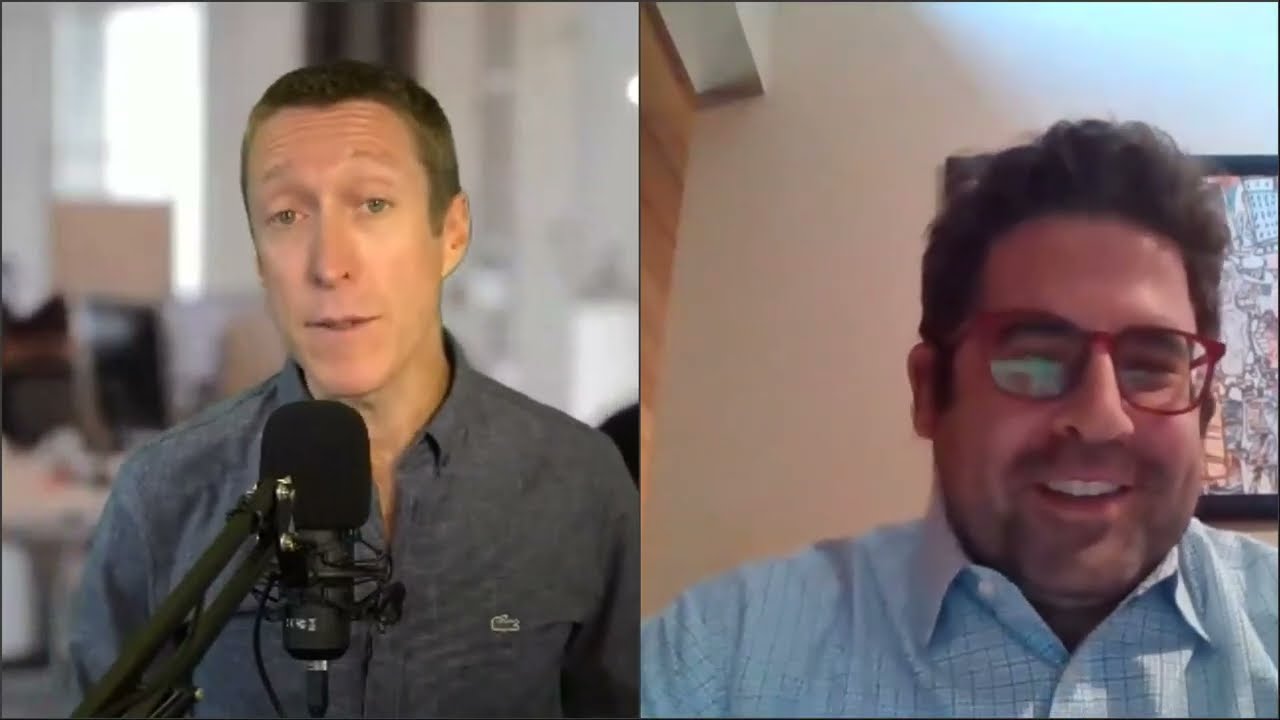
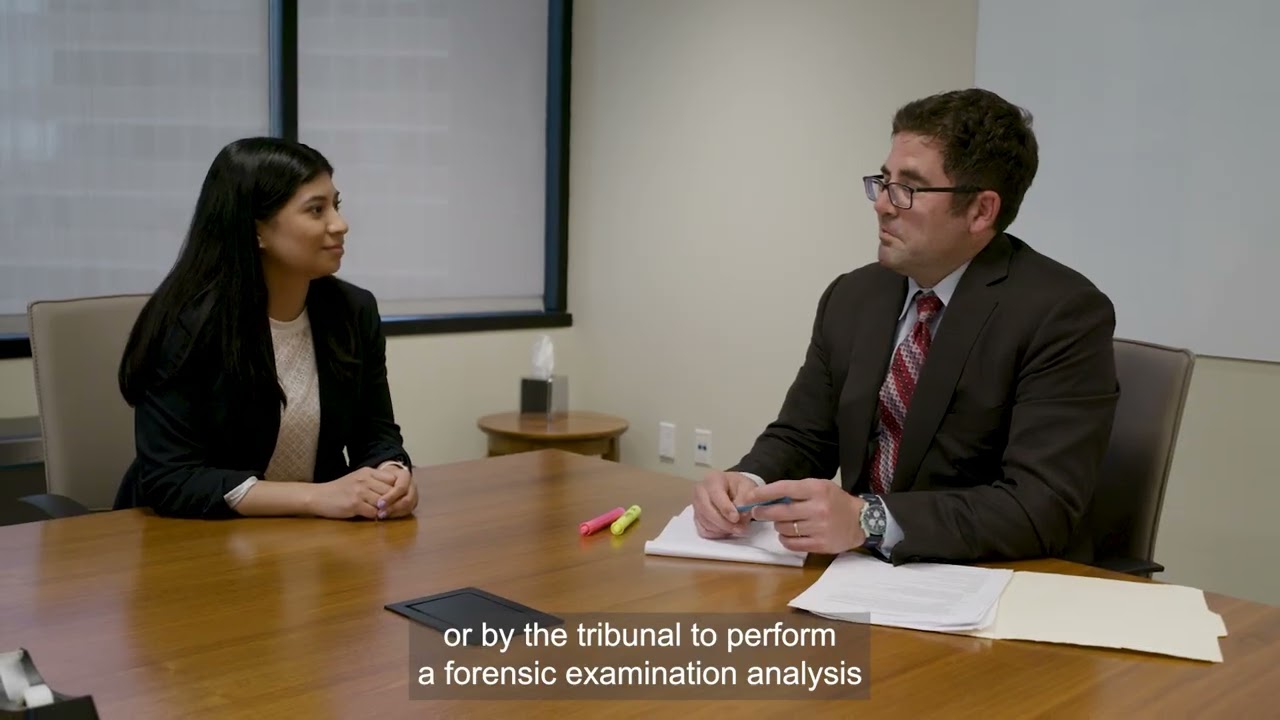
The fastest way to judge a speaker is to watch one. Start with the TEDx talk.

Five talks

Each runs as a keynote, a workshop or a moderated conversation, and is rebuilt around the room it is given in.

Boards, general counsel, litigators

When the Evidence Is a Deepfake

Anyone can now manufacture a convincing recording of anyone saying anything. Courts, investigators and companies are still deciding what to do about it.

  • How synthetic audio and video are actually detected, and where detection fails
  • What a court needs before it will admit a recording as genuine
  • Where your organisation is currently trusting evidence it should be testing

Keynote, workshop, fireside
General and policy audiences

Defining Cyberwarfare

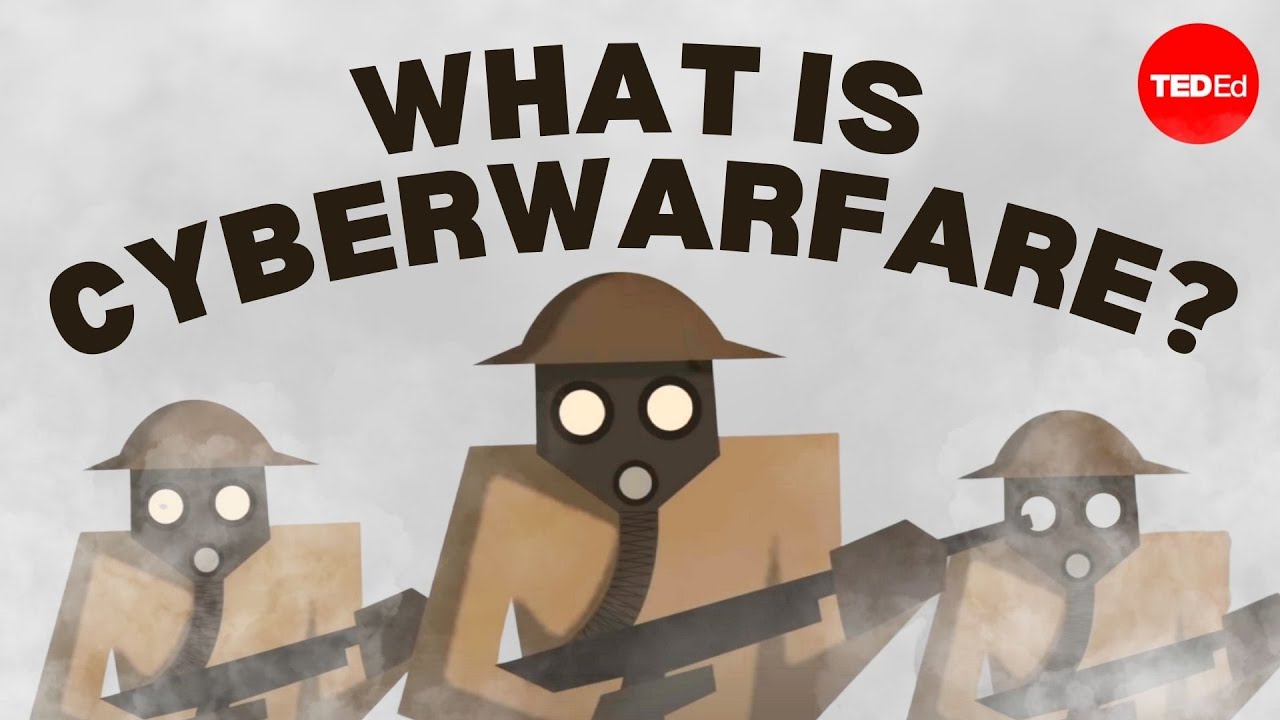
The TEDx talk. Decades into the problem, there is still no working legal definition of an act of cyberwar — and you cannot deter what you cannot define.

  • Why existing law of armed conflict does not map onto network attacks
  • What separates espionage, crime and an act of war in practice
  • What a workable definition would have to do

Keynote, fireside

Directors, executives, CISOs

What Every Board Must Know Before the Breach

Directors carry legal exposure from the moment an incident starts, and most of the decisions that determine that exposure get made in the first forty-eight hours.

  • Which decisions in an incident create legal liability and which reduce it
  • What privilege does and does not protect once forensics begin
  • The questions a board should be asking before anything happens

Keynote, board session, workshop

Judges, litigators, expert witnesses

Teaching the Court to Read Code

Technical disputes are won and lost on whether the decision-maker understands the technology. Usually nobody has made it their job to explain it.

  • How to make software architecture legible to a non-technical decision-maker
  • Where technical expert testimony most often falls apart
  • What judges say they actually need from technical experts

CLE, judicial education, workshop

In-house counsel, litigators, ADR programmes

Inside the Special Master's Chair

When a technical dispute stalls a case, a special master is often what unsticks it. Few people outside the role know how that work actually gets done.

  • When appointing a neutral resolves a dispute faster than litigating it
  • How discovery and forensic disputes get narrowed in practice
  • How to design a mediation around a genuinely technical disagreement

Keynote, CLE, panel

Stages and audiences

Awaiting content

Past events and venues go here. This space is intentionally empty rather than filled with placeholder examples — nothing on this site claims an appearance that did not happen.

What organisers say

Awaiting content

Quotes from event organisers go here, used verbatim and with attribution.

About Daniel

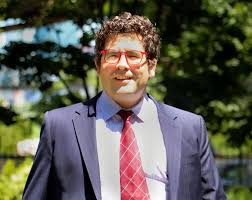
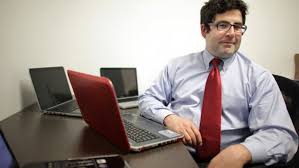
Portrait of Daniel B. Garrie

Daniel B. Garrie sits in the seat where law and technology collide, and has done for most of his career. He is a neutral at JAMS, serving as arbitrator, mediator and court-appointed special master in disputes that turn on evidence most lawyers cannot read. He founded Law & Forensics, teaches at Harvard as an adjunct professor, and holds four U.S. patents in cybersecurity forensic technology.

He has written seven books, published by the American Bar Association, Thomson Reuters and the Federal Judicial Center among others, including a guide to software written specifically for judges. He founded and edits the Journal of Law & Cyber Warfare.

He is a useful speaker for the same reason he is a useful neutral: he has to explain hard technical material to people who need to make a decision about it, and be understood the first time.

Recognition

Fellow of the Academy of Court Appointed Neutrals. Distinguished Neutral, CPR Institute. Fellow, Ponemon Institute.

Education

J.D., Rutgers School of Law. M.A. Computer Science with honours. Brandeis University.

Named

Leading Forensics & eDiscovery Expert by the New York Law Journal. Honorary admittance, Federal Court of Claims.

The New York Times The Wall Street Journal Forbes Reuters Harvard University

The rest of the practice

Speaking is one part of it. Organisations reach him for these too.

Book Daniel to speak

Tell him about the event and the room. He will come back to you directly about fit, format and availability.

Prefer email? info@lawandforensics.com
Organisers who need to circulate him internally can use the speaker kit.